Dependable Windshield Restoration Services for Safe and Clear Driving
Expert windshield repair services represent a vital component in promoting safe and clear visibility. Quick response to fractures and chips will avert additional harm and sustain vehicle stability. Seasoned technicians harness advanced technology, frequently delivering timely completion. Yet, ascertaining when professional help is needed and comprehending how it functions might prove intricate. This introduces crucial matters around protection and excellence. Which factors could motorists review when appointing a repair specialist?
What Circumstances Warrant Contacting Windshield Restoration Services?
When would one prefer to explore getting windshield repairs done? This question often arises when drivers become aware of issues, such as chips or cracks, on their windshields. A timely action is necessary; deferring maintenance can amplify existing issues. Factors affecting the choice include the scale and area of the damage. Small chips found away from the driver's line of sight may seem less critical, yet even small damage can impair the structural integrity of the windshield. Additionally, environmental elements, such as temperature fluctuations and moisture, can intensify fractures over time. Drivers should also contemplate the potential impact on visibility and safety while driving. Moreover, many insurance policies provide coverage for windshield repairs, making it a financially sound choice. Ultimately, obtaining professional repair services in a timely manner can provide secure driving conditions and extend the lifespan of the windshield. Recognizing these factors can help individuals make wise decisions regarding windshield maintenance.
Warnings You Need Windshield Repair Without Delay
Detecting the signs that suggest an immediate requirement for windshield service is necessary for safety. Breaks or dings, obstructed vision while driving, and compromised structural integrity can considerably influence a vehicle's performance. Resolving these difficulties without hesitation can avert more deterioration and guarantee safe driving conditions.
Cracks or Chips Visible
Visible cracks or chips in a windshield often point to an pressing need for repair. These imperfections can affect the foundational strength of the glass, making it more open to further wear and tear. Even small chips can expand due to shifts in temperature or road-induced vibrations, becoming larger cracks that may limit the driver's view. Additionally, cracks can weaken the windshield, increasing the risk of splintering during a collision. It is suggested for vehicle owners to tackle these issues promptly, as neglecting repairs can lead to costly replacements and safety hazards. Regular inspections, especially after adverse weather or road debris incidents, can help identify these issues early and guarantee safe driving conditions.
Reduced Visual Clarity During Car Operation
In what ways can a motorist effectively drive on the road with limited visibility? The answer is in recognizing signals that point to the need for urgent windshield repair. When a driver faces glare from the sunlight or headlights shining on damage, it can significantly hinder their ability to see the road clearly. Furthermore, if rainwater gathers in cracks or chips, it may distort vision, leading to dangerous driving conditions.
Drivers ought to watch for the presence of streaks or smudges that cannot be wiped away, as these can additionally reduce sight clarity. Swift maintenance of any windshield damage is necessary; neglecting these signs not only jeopardizes safety but also enhances the chance of larger repair requirements in the future.
Weakened Structural Stability
When a windshield sustains damage, the structural robustness of the vehicle can be undermined, creating substantial safety threats. The windshield maintains critical importance in keeping the vehicle's overall strength, particularly during accidents. Fractures or dents can weaken this barrier, making the vehicle less capable of resisting impacts. Markers indicating urgent service include visible cracks extending across the glass, substantial damage areas, or any distortion affecting the driver's visual range. Also, if the windshield feels loose or if moisture penetrates the interior, these signal underlying problems. Immediate action regarding these signs is necessary to protect occupants and verify that the vehicle can operate normally in an accident, guaranteeing passenger protection.
What Occurs During a Windshield Repair?
During a glass repair job, technicians initially examine the damage to assess its severity and identify the appropriate repair method. Following the inspection, the restoration procedure involves multiple stages to restore the strength of the glass. Finally, a final inspection assessment ensures that the fix meets safety standards and preserves visibility.
Review of Deterioration
A meticulous review of damage is an indispensable starting step in the windshield repair process. Experts inspect the windshield diligently to assess the extent and nature of the damage. They seek cracks, chips, and any tokens of fragmentation to establish if the windshield can be repaired or needs replacement replacement. This evaluation includes measuring the extent and span of the harm, as well as its position. Aspects such as nearness to the edges and the driver's visual range are also weighed. Moreover, the technician assesses for any latent problems that might affect the repair, such as moisture or debris within the cracks. This rigorous inspection guarantees that the subsequent repair process is both productive and safe.
Repair Process Instructions
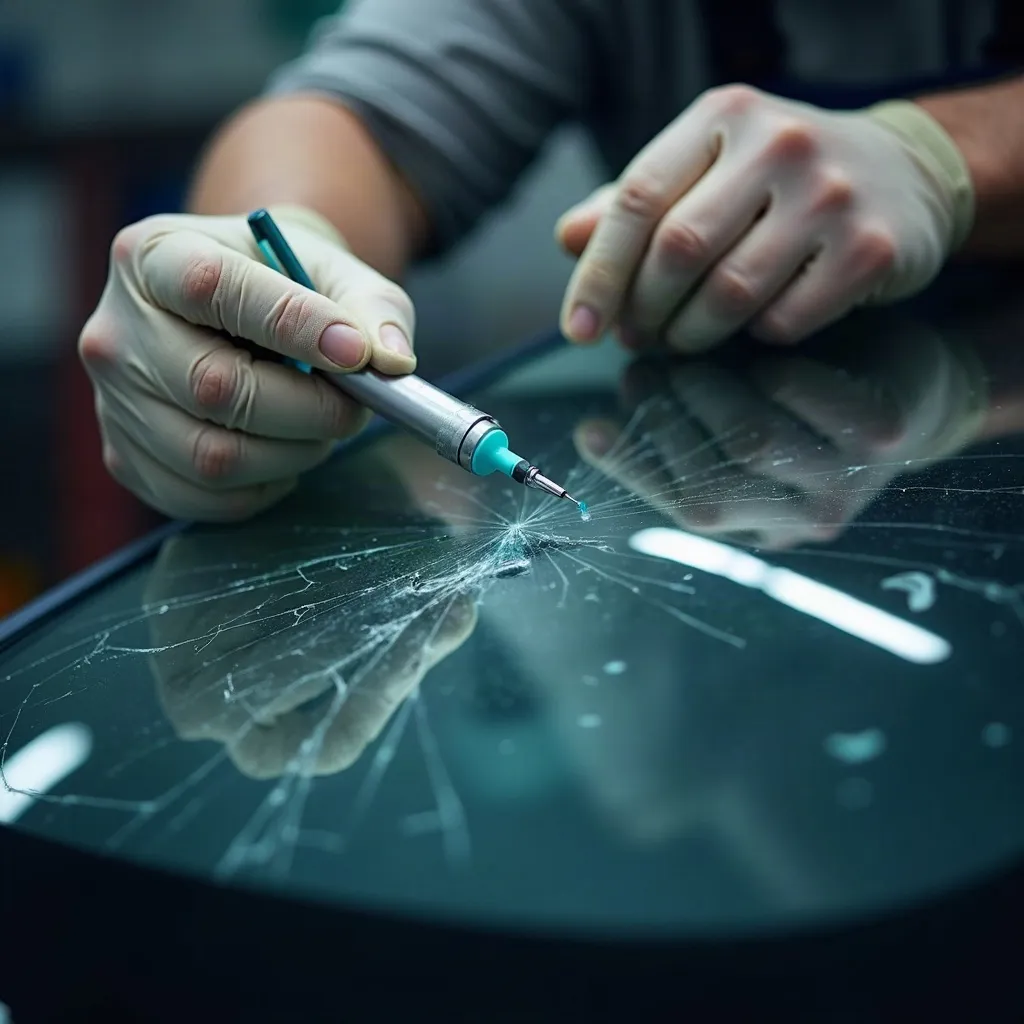
The windshield repair process proceeds in a systematic way, commencing with the technician setting up the damaged area. This includes washing the surface to remove dirt and debris, ensuring a proper bond. Subsequently, the technician assesses the size and depth of the damage, deciding on the appropriate repair technique. They then inject a special resin into the crack or chip, filling it entirely to restore structural integrity. The resin is cured by exposure to ultraviolet light, which sets it and renders it transparent, blending with the existing glass. After curing, the technician gently removes any extra resin and polishes the surface to achieve a smooth finish. This careful process aims to boost visibility and maintain vehicle safety while minimizing additional damage.
Post-Repair Quality Verification
Once the repair process concludes, the technician performs a thorough post-repair inspection to establish the integrity and clarity of the windshield. This step involves assessing the repaired area for any imperfections or air pockets that may compromise visibility. The technician assesses the adhesive bond to establish it has hardened sufficiently, offering structural support. Additionally, they may employ specialized equipment to evaluate the repair's effectiveness, ensuring that it adheres to industry standards. The technician also evaluates the alignment of the windshield, confirming it is properly aligned within the frame. Finally, they may sanitize the glass surface, eliminating any deposits or marks, which maximizes clarity. This meticulous quality check is critical for driver safety and ensures customer satisfaction with the repair.
Why Professional Windshield Restoration Is Better Than DIY
Why rely on a DIY method for windshield repair when certified experts offer precision and expertise? Professionals possess extensive training and experience that enable them to address and assess various types of damage effectively. Unlike DIY methods, which may rely on trial and error, skilled technicians implement advanced tools and techniques to revitalize the windshield's clarity and structural integrity.
Moreover, professional repairs often include guarantees, offering peace of mind that do-it-yourself approaches lack. The danger of improper repair is substantial; a poorly fixed windshield can compromise safety during driving and cause further damage. Furthermore, experts adhere to industry standards, ensuring the repair meets safety standards.
In contrast, DIY fixes can unintentionally exacerbate the damage or create new problems, resulting in costly substitutions. Ultimately, choosing professional windshield restoration is a wise choice, guaranteeing safety and clarity while driving.
Selecting a Trustworthy Windshield Repair Specialist
What approach works best to locate a reliable windshield repair provider? First, individuals should seek suggestions from friends and family, or check online reviews. A provider with favorable reviews and excellent scores often shows reliability and quality service. Next, checking certifications and credentials is vital; professionals should be licensed by associations such as the National Windshield Repair Association.
Moreover, transparency in pricing and service offerings helps establish trust. A reputable provider will offer a clear estimate without hidden fees. It's also advantageous to ask regarding the types of materials used, as premium adhesives and glass can affect safety and durability.
Finally, think about the provider's repair warranty, which demonstrates confidence in their work. By adhering to these guidelines, people can make informed decisions, ensuring they select a provider who prioritizes customer satisfaction and safety.
What You Can Expect When Your Windshield Needs Repair?
When a windshield restoration is arranged, the car proprietor can expect a straightforward process that emphasizes efficiency and safety. To start, a technician assesses the damage, determining whether a repair is feasible or if a substitute is required. This assessment encompasses examining the size and position of the chip or crack, making certain it does not obstruct the driver's view.
After being judged restorable, the technician readies the area by cleaning it and applying a proprietary resin. This resin is injected into the affected area, successfully closing it and returning structural soundness. The process usually takes about 30 minutes to an hour, based on the damage severity.
After the repair, the specialist may provide guidance on what to circumvent immediately, such as extreme temperature changes. To summarize, the process seeks to reduce inconvenience while ensuring the car is safe for continued use. The effect is a clearer and safer windshield, enhancing the driving experience.
Maintaining Your Windshield in Proper Shape Post-Service
Following a glass repair, it is essential to maintain the integrity of the repair for long-term safety and clear sight. To assure top performance, the vehicle owner should stay away from abrasive cleaners and abrasive materials, as these may impair the repaired area. Using soft soap with water with a delicate cloth is recommended for everyday cleaning.
Furthermore, it is advisable to wait at least 24 hours before subjecting the windshield to heavy rain or extreme temperatures. This allows the repair resin to harden completely. Regularly inspecting the windshield for any signs of new damage is also important; immediate care to chips or cracks can avoid additional problems.
Ultimately, placing your car in shaded view this guide areas can reduce thermal stress on the glass, maintaining the repair. By complying with these practices, drivers can sustain their windshield's clarity and structural integrity, promoting a more reliable driving experience.
Regularly Asked Questions
How much time Does a Typical Windshield Repair Take?
A typical windshield repair takes about 30 to 60 minutes. Elements influencing duration consist of the dimensions and position of the harm, as well as the repair specialist's expertise and the specific fixing techniques used.
Will My Insurance Cover Windshield Repair Costs?
Insurance coverage for windshield restoration costs varies by plan. Many providers include this benefit, often with no deductible. It is recommended for people to verify with their insurance company for specific information regarding their coverage.
May I Drive My Car After a Windshield Repair?
Following windshield repair, it is usually secure to pilot the vehicle. However, it's wise to give the adhesive time to solidify, normally at least an hour, ensuring proper bonding and security while driving.
What Types of Harm Can Be Repaired?
Windshield damage that may be repaired involves small chips, cracks up to a specific length, and star breaks. Repairs are typically productive if the damage is within the driver's line of sight and not extensive.
What Measures Can I Take to Prevent Windshield Deterioration Going Forward?
To avoid future windshield damage, keep a safe distance between your vehicle and others, avoid driving on unpaved roads, regularly inspect for chips, and park in shaded areas to minimize temperature fluctuations that can weaken the glass.